The Pros and Cons of Plastic, Rubber, and Concrete Parking Blocks
Learn Which of the Three Most Common Types of Parking Blocks Is Best for Your Parking Lot
Keeping your parking facility organized and safe is a top priority. For organizing and managing parking spaces, parking blocks play a crucial role
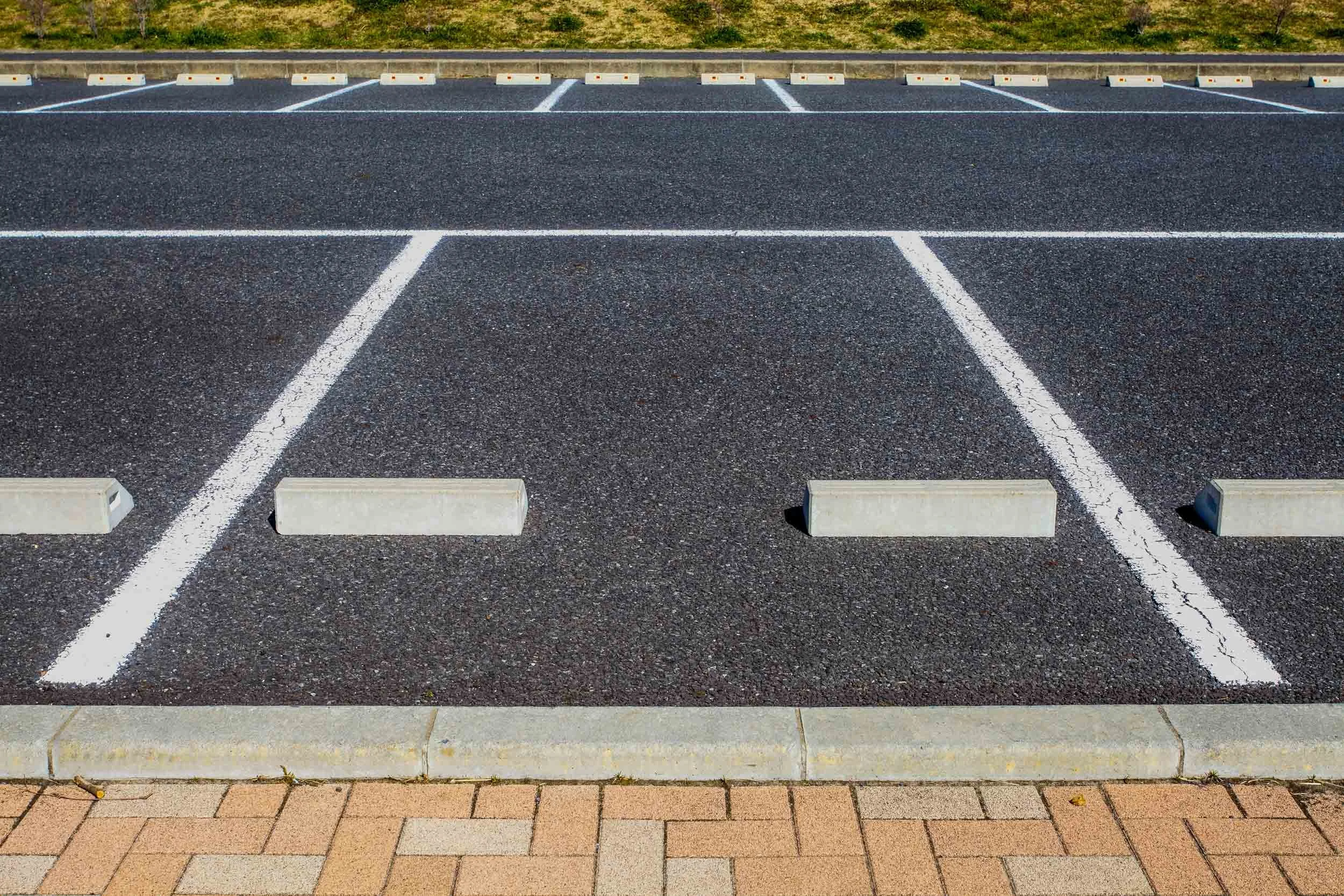
Parking blocks (also called wheel stops or parking curbs) are crucial in ensuring vehicles are parked safely and orderly. Whether designing a commercial lot, managing a residential parking facility, or owning a private garage, choosing the right material for your parking blocks can impact everything. Plastic, rubber, and concrete parking blocks
Learn About Our Parking Lot Striping Services
The material you choose will determine everything from safety and longevity to installation time, maintenance costs, and aesthetic appeal.
Learn the pros and cons of plastic, rubber, and concrete parking blocks and how to choose the one that’s best for your Columbus, Ohio, parking facility.
The Pros and Cons of Plastic Parking Blocks
Plastic parking blocks are made from the lightest material of the three. In fact, they are lightweight, making installation quick and easy. Plastic blocks can be installed in a few hours using basic tools, with no need for heavy machinery.
The Pros
Weather and UV Resistant: Most plastic blocks are specifically designed to stand up to sun exposure, rain, snow, and chemicals like oil and gas.
Eco-Friendly: Many plastic parking blocks are made from recycled materials or new plant-based plastics, making them an eco-friendly, green option.
Low Maintenance: They don’t chip, crack, or rust. They have color throughout, so they don’t fade. They are easy to clean and the least expensive choice of the three.
The Cons
They are Less Durable Under Heavy Loads: Plastic blocks are fine for passenger vehicles however, they can deform or crack under the weight of large trucks or if frequently abused.
Sensitive to Temperature Extremes: When consistently exposed to extreme heat or cold temperatures, plastic blocks may become brittle or warp.
Can Shift Position: Because they are very lightweight, they must be well-anchored to stay in place.
The Pros and Cons of Rubber Parking Blocks
Rubber parking blocks are a good option for an indoor facility. Because they are softer and more flexible than the alternatives, they are impact-absorbent and much less likely to damage vehicles on impact.
The Pros
Noise Reduction: Because they can reduce noise, they are great for indoor garages or residential lots where reducing noise may be a concern.
Sustainable Choice: Like plastic blocks, rubber parking blocks are often made from recycled tires and reduce landfill waste.
Easy to Move and Install: Again, like plastic blocks, rubber parking blocks are lightweight, easy to install, and simple to reposition if needed.
The Cons
Less Durable than Concrete: Over time, rubber parking blocks can begin to break down if used in outdoor high-traffic areas.
UV and Heat Sensitivity: Prolonged exposure to sunlight or extreme heat can cause rubber blocks to fade, crack, or become brittle.
Higher Cost: Rubber parking blocks typically cost more than plastic and concrete, especially if you have a large lot or facility.
The Pros and Cons of Concrete Parking Blocks
Concrete blocks are versatile, durable, and affordable. They are the most commonly used parking block in larger commercial lots. They can be painted to indicate assigned parking and can handle heavy traffic use. Concrete blocks are the least environmentally friendly due to their high carbon output.
The Pros
Exceptionally Durable: Concrete is the go-to material for long-term, heavy-duty use. Concrete can handle the weight of trucks and traffic volume with ease.
They Stay Put: Because they are heavy, concrete blocks are difficult to move and the least likely to be stolen.
Cost Effective: While they are more costly than plastic, they are typically cheaper upfront than rubber options.
The Cons
Heavy and Labor-Intensive Installation: Because of their weight, installation often requires equipment and multiple workers. They are not easily moved or relocated.
Prone to Cracking: Over-time, freeze-thaw cycles, and vehicle impacts can cause concrete blocks to crack or chip.
Potential Vehicle Damage: Hitting a concrete block at speed can cause significant damage to a car’s tires, bumper, or undercarriage.
Choosing The Right Parking Block Material
Deciding which parking block material is right for your situation depends on several key factors. You need to consider:
Budget
Plastic or concrete are more affordable options if upfront cost is a concern. If you are more concerned with durability and aesthetics, rubber blocks might be a better option.
Traffic
Does your parking facility see a lot of heavy truck traffic or commercial vehicle parking? Then concrete is the best choice. For smaller residential, private lots, or low-traffic areas, plastic or rubber work well.
Climate
In Ohio, we often experience hot, humid summers and cold, snowy winters. In extreme heat, rubber blocks tend to degrade. In extreme cold, concrete may break down and crack over time. Plastic offers a balanced resistance but may also be sensitive to extreme temperature swings.
Permanent or Temporary
Do you need something you can move to fit any special occasion, for example, an event? Rubber or plastic are the best choice. If you want a more permanent installation, concrete is your best option.
Choosing a Parking Block Mostly Comes Down to Two Things
Each parking block material, plastic rubber, and concrete, has its strengths and weaknesses. The best choice comes down to how and where it will be used. For a light, eco-friendly option, plastic is a great choice. For more durability and vehicle safety, rubber offers a good balance. However, if you need something that can take a beating and last in a busy commercial lot, concrete is still king.
If you’re still unsure which option is best for your facility, don’t hesitate to call The Super Stripers! We’re always happy you help!
At The Super Stripers, our mission is to provide unparalleled parking lot striping services with a focus on reliability, friendliness, and uncompromising quality. We are dedicated to enhancing the appearance, safety, and organization of parking facilities and other line-marking services, such as parking garages, athletic courts, warehouses, and more.
With attention to detail and a commitment to excellence, we aim to be the trusted partner for all your parking lot striping needs. If you are in Columbus or Central Ohio, please call (614) 648-0799 or email contact@superstripers.com for more information. We are locally owned and fully insured and look forward to working with you.